VOCABULARY

🚗🚗🚗🚗🚗🚗🚗🚗🚗🚗🚗🚗🚗🚗🚗🚗🚗🚗🚗🚗🚗🚗🚗🚗🚗🚗🚗🚗🚗🚗🚗🚗🚗🚗🚗🚗🚗🚗🚗🚗
🚗🚗🚗🚗🚗🚗🚗🚗🚗🚗🚗🚗🚗🚗🚗🚗🚗🚗🚗🚗🚗🚗🚗🚗🚗🚗🚗🚗🚗🚗🚗🚗🚗🚗🚗🚗🚗🚗🚗🚗

🚗🚗🚗🚗🚗🚗🚗🚗🚗🚗🚗🚗🚗🚗🚗🚗🚗🚗🚗🚗🚗🚗🚗🚗🚗🚗🚗🚗🚗🚗🚗🚗🚗🚗🚗🚗🚗🚗🚗🚗🚗🚗🚗🚗🚗🚗🚗🚗🚗🚗🚗🚗🚗🚗🚗🚗🚗🚗🚗🚗🚗🚗🚗🚗🚗🚗🚗🚗🚗🚗🚗🚗🚗🚗🚗🚗🚗🚗🚗🚗
🚗🚗🚗🚗🚗🚗🚗🚗🚗🚗🚗🚗🚗🚗🚗🚗🚗🚗🚗🚗🚗🚗🚗🚗🚗🚗🚗🚗🚗🚗🚗🚗🚗🚗🚗🚗🚗🚗🚗🚗
GRAMMAR
What Are Direct Objects?
'Nouns,' 'noun phrases,' and 'pronouns' can act as the direct object of the verb which means the action of the verb is performed upon them. When we say 'direct' it means the object is directly receiving the action of the verb. Direct objects are used after 'transitive verbs.'
Direct Objects and Transitive Verbs
'Transitive verbs' are those that need an 'object' to have a complete meaning. Some transitive verbs can have two objects. For example:
They
Please
Nouns as Objects
If a verb is transitive and requires a noun as its object, any type of noun - whether it is proper or common, singular or plural, and countable or uncountable can be used as the object of the sentence. Check out the examples.
My mother saw
Pronouns as Objects
As you know, 'pronouns' are used to avoid repeating the same nouns. Here are the English object pronouns:
using a direct object in a sentence
Noun Phrases as Objects
In grammar, a 'noun phrase' is a group of words that includes a noun and any words that modify it, such as adjectives or determiners. Noun phrases can be used as the direct object of a transitive verb when they receive the action of the verb. Check out the examples:
The little girl drank
She decorated
Gerunds as Objects
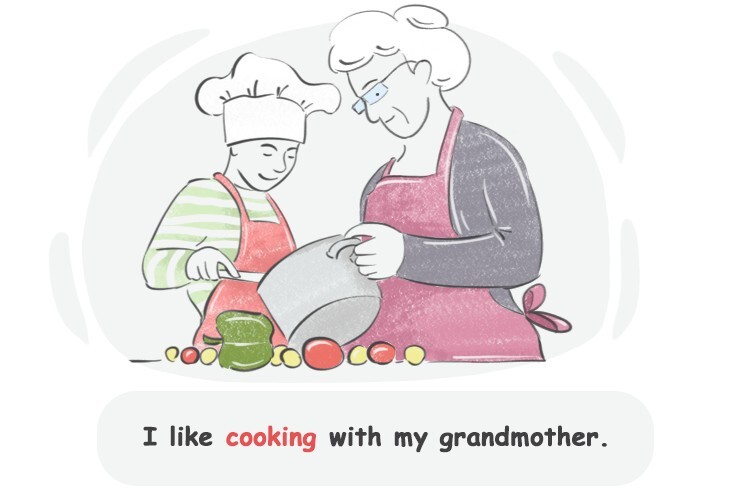
Gerunds can be used as both the subject and the object of a sentence, and therefore can be used as the direct object of a transitive verb. When a sentence is in the passive voice, the direct object of the transitive verb becomes the subject of the passive sentence, and using a gerund as the direct object will not cause any issues.
I like
How to Find Direct Objects
A direct object is a noun, pronoun, or noun phrase that receives the action of the verb. You can identify the direct object by asking the question who, whom, or what is being acted upon. For example:
I gave him
We started a new


VOCABULARY • Phrasal verbs for talking about carsARead and listen. Then listen again and repeat.turn onturn offpick updrop offfill upBComplete the sentences with the two parts of each phrasal verb.1The car’s almost out of gas. Let’s go in here so I can it .2It’s raining, and I can’t the windshield wipers . They aren’t working.3 Can I use your car this afternoon? I can it at 3:30 if you don’t need it then.4We have to return the rental car before 6:00. Let’s it early at the airport and
VOCABULARY • Phrasal verbs for talking about carsARead and listen. Then listen again and repeat.turn onturn offpick updrop offfill upBComplete the sentences with the two parts of each phrasal verb.1The car’s almost out of gas. Let’s go in here so I can it .2It’s raining, and I can’t the windshield wipers . They aren’t working.3 Can I use your car this afternoon? I can it at 3:30 if you don’t need it then.4We have to return the rental car before 6:00. Let’s it early at the airport andV
VOCABULARY • Phrasal verbs for talking about carsARead and listen. Then listen again and repeat.turn onturn offpick updrop offfill upBComplete the sentences with the two parts of each phrasal verb.1The car’s almost out of gas. Let’s go in here so I can it .2It’s raining, and I can’t the windshield wipers . They aren’t working.3 Can I use your car this afternoon? I can it at 3:30 if you don’t need it then.4We have to return the rental car before 6:00. Let’s it early at the airport andVOCABULARY • Phrasal verbs for talking about carsARead and listen. Then listen again and repeat.turn onturn offpick updrop offfill upBComplete the sentences with the two parts of each phrasal verb.1The car’s almost out of gas. Let’s go in here so I can it .2It’s raining, and I can’t the windshield wipers . They aren’t working.3 Can I use your car this afternoon? I can it at 3:30 if you don’t need it then.4We have to return the rental car before 6:00. Let’s it early at the airport and
VOCABULARY • Phrasal verbs for talking about carsARead and listen. Then listen again and repeat.turn onturn offpick updrop offfill upBComplete the sentences with the two parts of each phrasal verb.1The car’s almost out of gas. Let’s go in here so I can it .2It’s raining, and I can’t the windshield wipers . They aren’t working.3 Can I use your car this afternoon? I can it at 3:30 if you don’t need it then.4We have to return the rental car before 6:00. Let’s it early at the airport and
Comentarios
Publicar un comentario